If you’d been out in town on October 4, 1921, walking from Piccadilly Circus to Leicester Square, you’d have witnessed the glitterati of Britain’s film industry on full display. That night Sir Oswald Stoll, theatre impresario and owner of the London Coliseum, was hosting an expansive and lavish dinner for some of the most famous British names of the time: film stars Ivy Duke and Guy Newall, director Maurice Elvey and the guest of honour: Sir Arthur Conan Doyle.
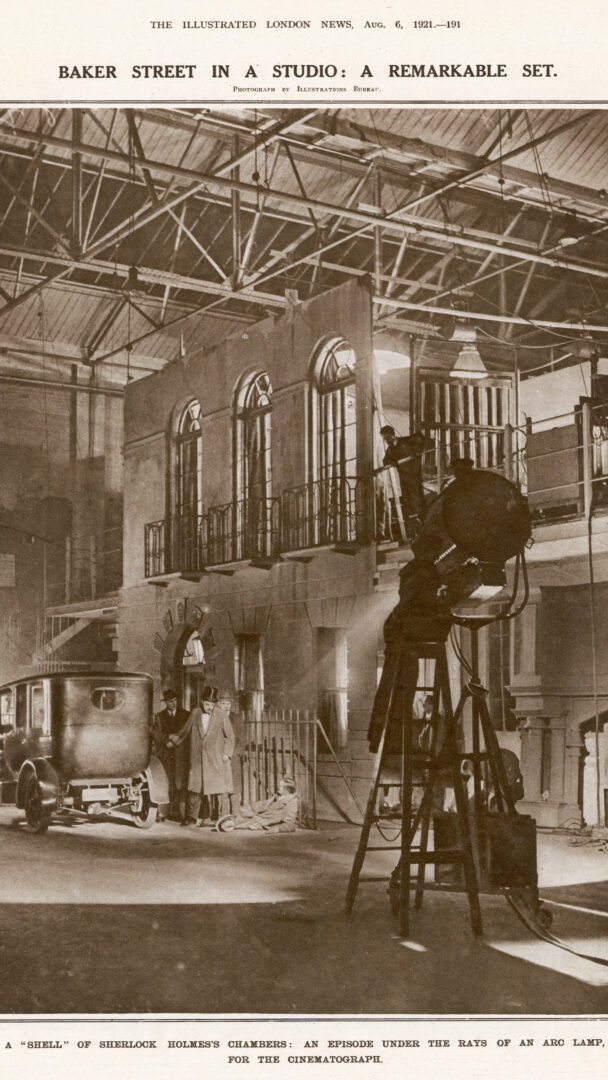
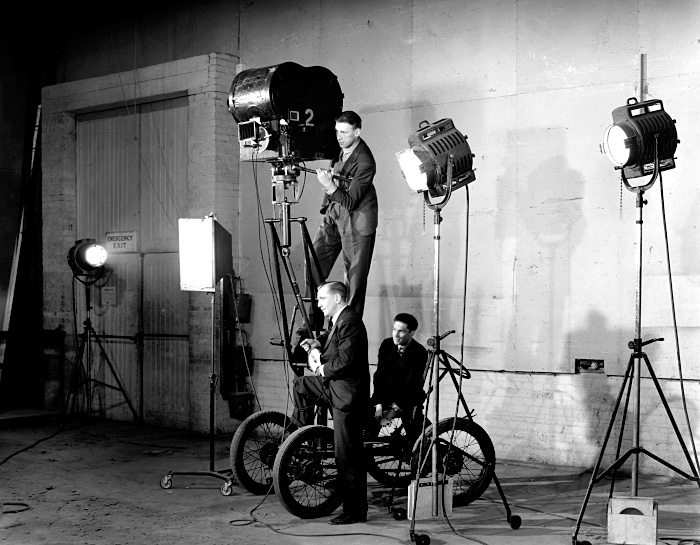
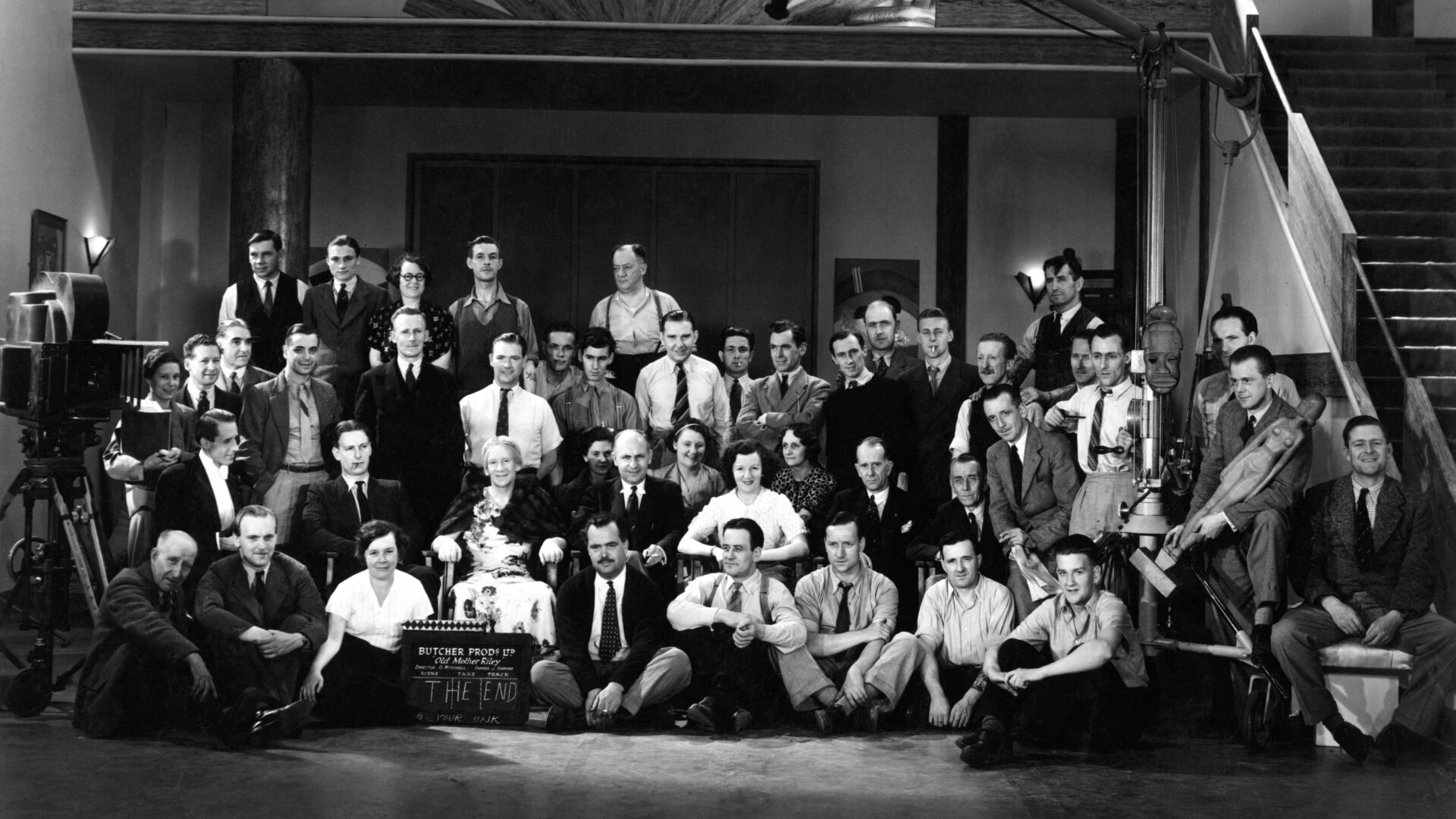
The mood was ebullient, as Nathalie Morris writes in An Eminent British Studio. A year earlier, Stoll had bought a disused aeroplane factory on Temple Road in Cricklewood, and transformed it into what was described as “the largest, finest and best equipped cinema studios in Europe.” With 27,993 sq ft of floor space, its size meant 15 sets could be set up at any one time.
Toay, you’ll find a handy Wickes and a Matalan on Temple Road. But rewind 100 years, and this was the site of Stoll Studios. The production complex included a projection room, cutting rooms, a wardrobe and stills department, office suites for five directors, dressing rooms, film vaults and a lab to develop and process film.